Gas Line Relocation in Denver, CO
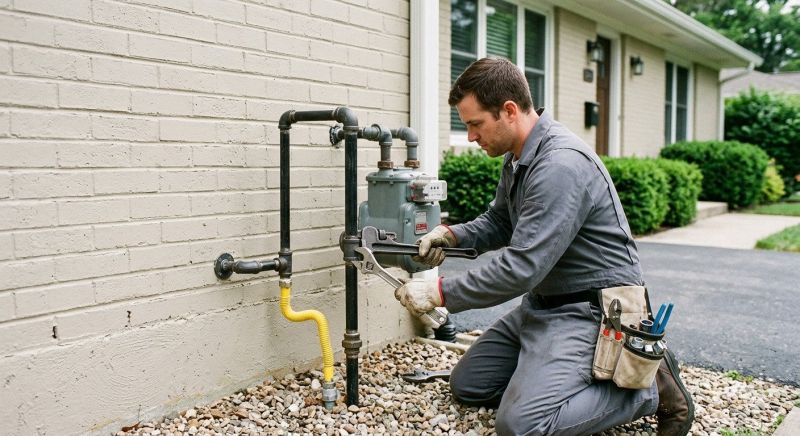
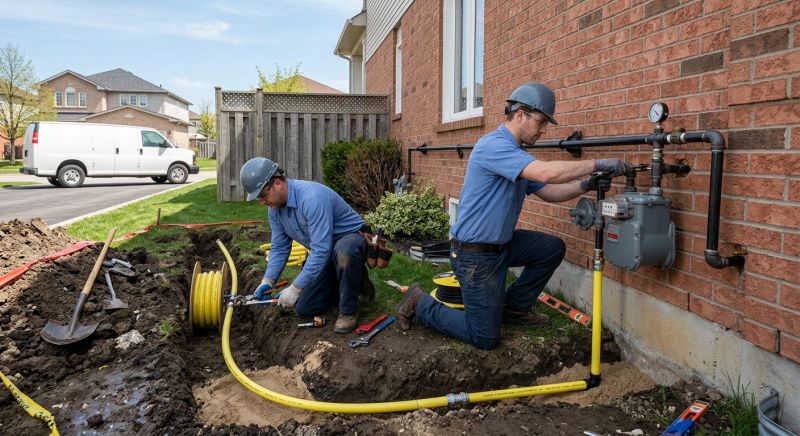
Gas line relocation services involve safely moving existing natural gas lines to new locations on a property. This type of project is often requested during home renovations, additions, or landscaping projects where the original gas line placement no longer suits the new layout. Property owners typically want to understand the scope of work involved, potential disruptions, and any necessary permits or inspections before proceeding with a gas line move.
Before requesting gas line relocation, homeowners should consider the extent of the work needed, including how much excavation or rerouting might be required. It’s also important to clarify what areas will be affected and to ensure that proper safety measures are followed throughout the process. Understanding the overall project requirements helps property owners plan accordingly and ensures the new gas line installation complies with local codes and regulations.
Many property owners in Denver, CO look into Gas Line Relocation for repairs, replacements, upgrades, and appearance-related improvements.
Reasons For Gas Line Relocation
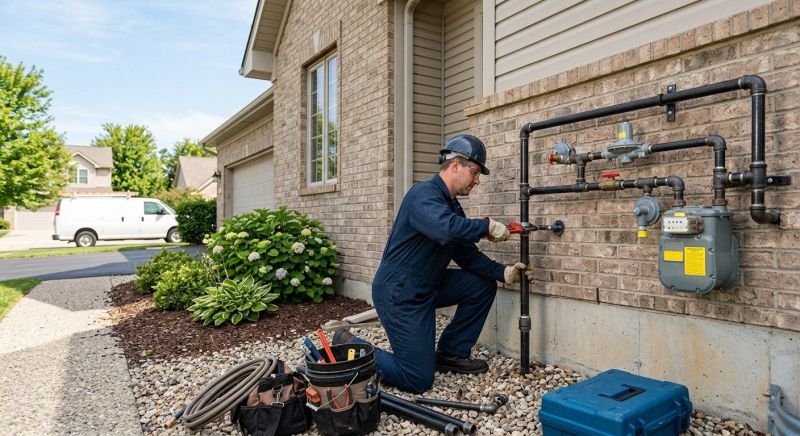
Relocating gas lines may be necessary for home renovations, new construction, or safety improvements in denver properties.
Key Considerations
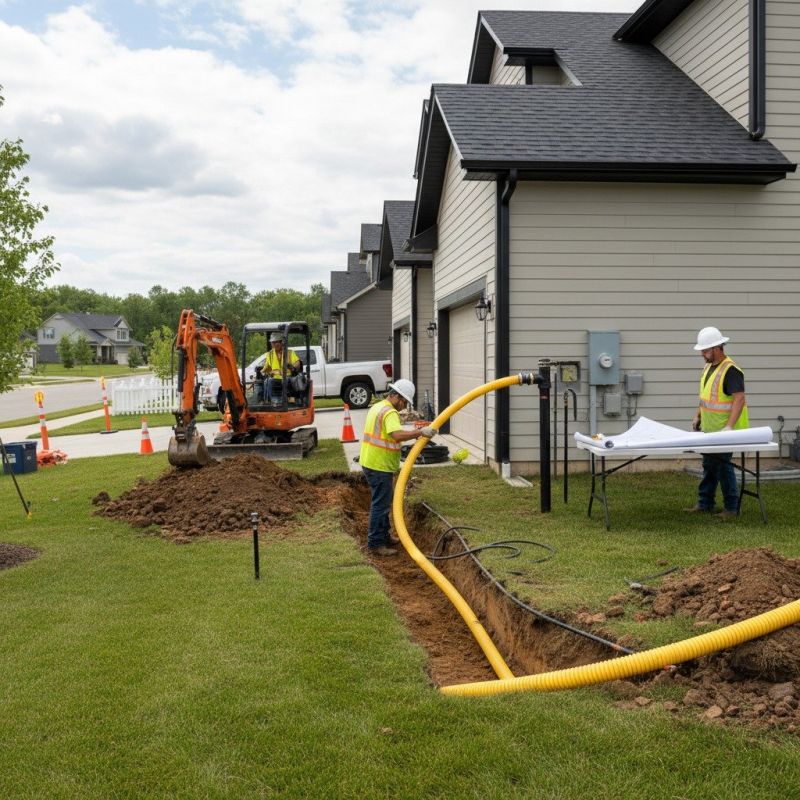
Proper planning and adherence to safety codes are essential when moving gas lines to ensure reliable and secure service.
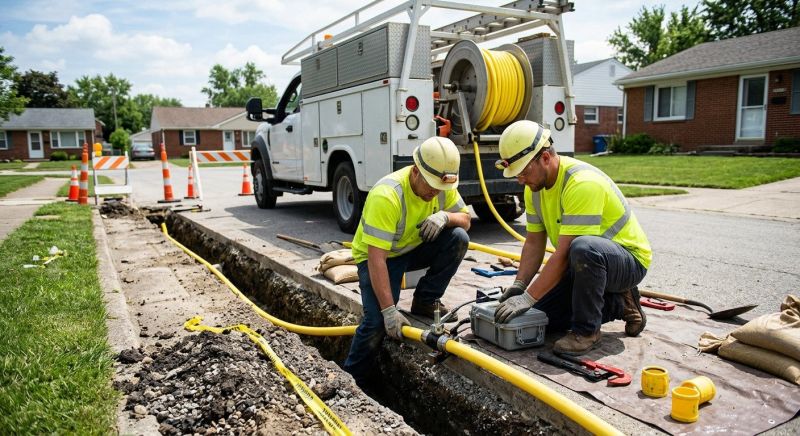
Typical Projects
Common projects include rerouting gas lines for kitchen remodels, adding new appliances, or expanding outdoor gas features in denver homes.
Gas Line Relocation in Denver, CO
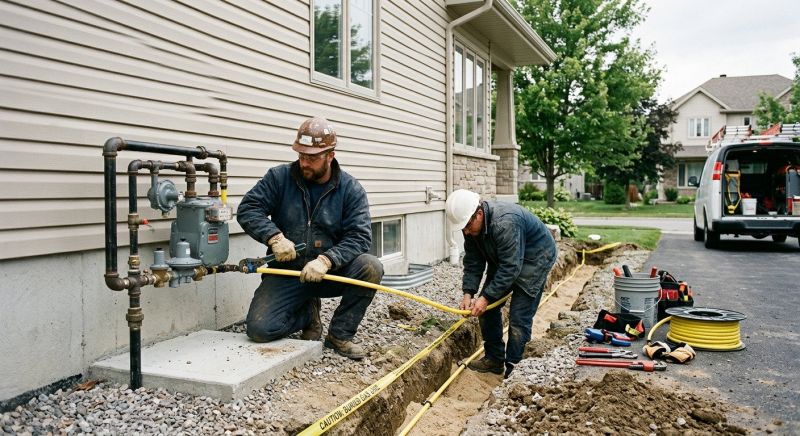
Gas line relocation services involve safely moving existing natural gas lines to new locations on a property. This type of project is often requested during home renovations, additions, or landscaping projects where the original gas line placement no longer suits the new layout. Property owners typically want to understand the scope of work involved, potential disruptions, and any necessary permits or inspections before proceeding with a gas line move.
Before requesting gas line relocation, homeowners should consider the extent of the work needed, including how much excavation or rerouting might be required. It’s also important to clarify what areas will be affected and to ensure that proper safety measures are followed throughout the process. Understanding the overall project requirements helps property owners plan accordingly and ensures the new gas line installation complies with local codes and regulations.
Many property owners in Denver, CO look into Gas Line Relocation for repairs, replacements, upgrades, and appearance-related improvements.
Common Gas Line Relocation Jobs
Gas line relocation involves moving existing gas lines to accommodate remodeling or expansion projects.
Property upgrades include rerouting gas lines to support new appliances or outdoor installations.
New construction projects require gas line adjustments to meet updated layout plans.
Emergency response services address urgent gas line issues that need immediate relocation or repair.
Outdoor gas line installation involves rerouting lines for patios, fire pits, or outdoor kitchens.
Property assessments evaluate existing gas lines to determine the feasibility of relocation or upgrades.
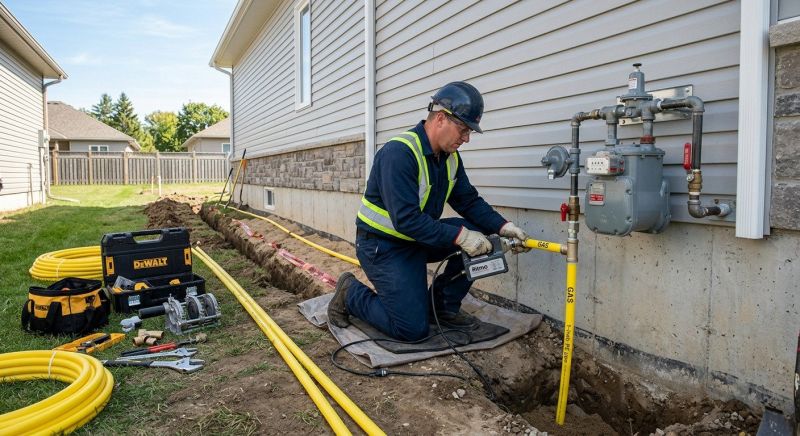
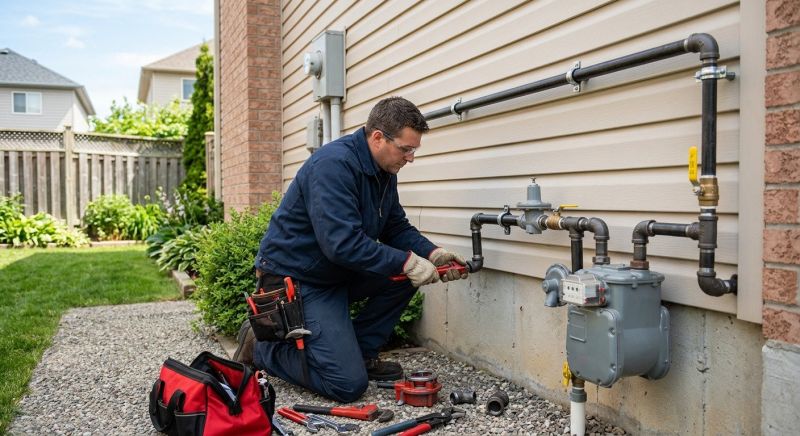
Gas Line Relocation Questions
What is gas line relocation? Gas line relocation involves moving existing gas lines to a different location on a property, often to accommodate renovations or new construction projects.
When is gas line relocation necessary? It is needed when changes to the layout of a property require gas appliances or fixtures to be moved to a different area.
Are there permits required for gas line relocation? Yes, permits are typically required to ensure the work complies with local safety and building codes.
What should property owners consider before relocating a gas line? It’s important to assess the existing infrastructure, plan the new route carefully, and consult with professionals to ensure safety and code compliance.
Request Gas Line Relocation in Denver, CO
Use the quote form on this page to share the basics of your project and request more information for the type of work you need.